
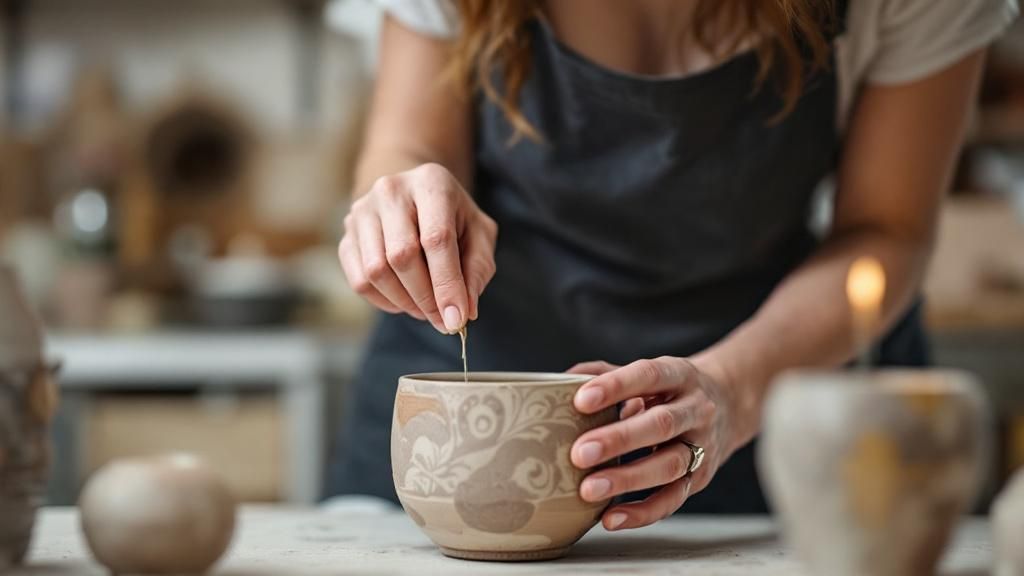
The British Crafts Council has yet again demonstrated its firm commitment to maintaining and championing the nation’s rich heritage of established artisanal skills. This year’s showcases of achievement in ceramic and fabric arts showcase the outstanding skills of contemporary artisans who persistently perfect established practices. From wheel-formed clay pieces to meticulously woven materials, these artisans represent the highest calibre of British artistic heritage, ensuring that centuries-old skills remain dynamic and contemporary in today’s modern landscape.
Acknowledgement of Master Craftspeople
The British Crafts Council’s yearly awards event stands as a reflection to the exceptional dedication of expert craftspeople across the Britain. This year’s recognition programme has recognised artisans whose involvement with heritage pottery and textiles have been particularly noteworthy. These celebrated practitioners have shown remarkable technical proficiency, imaginative flair, and an unwavering commitment to maintaining traditional crafts. Their work represents the highest standards of excellence within their individual specialisms, inspiring both peers and emerging practitioners alike.
Among the esteemed craftspeople are potters whose handcrafted pieces showcase exceptional craftsmanship and artistic sophistication. These artisans use traditional wheel-throwing techniques whilst integrating modern design principles. Their ceramics represent a careful equilibrium between everyday use and artistic expression. Each piece demonstrates many years of dedicated work and deep knowledge of clay’s properties. The recognition bestowed upon these master potters acknowledges their significant contribution to preserving Britain’s celebrated pottery traditions for future generations.
Textile designers acknowledged this year have demonstrated exceptional mastery of both traditional weaving and creative fabric creation. Their work covers hand-woven textiles, plant-based dyes, and intricate pattern development that draws upon centuries of British textile heritage. These makers have effectively revived traditional techniques whilst incorporating contemporary design elements. Their dedication to premium fabrics and eco-conscious methods sets them apart as key players in the textile industry, earning them significant recognition and admiration.
The assessment procedure for these esteemed accolades involved thorough assessment by recognised sector specialists and fellow craftspeople. Judges assessed technical excellence, creative innovation, and the artisan’s contribution in preserving traditional methods. Nominees were evaluated on their body of work, innovation within traditional frameworks, and their influence on the broader crafts community. This comprehensive approach guarantees that acknowledgement genuinely reflects the highest calibre of modern British artisanal practice and artistic achievement.
Beyond individual achievements, the awards scheme recognises craftspeople who have mentored younger artisans, securing knowledge transfer and ongoing tradition. These skilled practitioners serve as keepers of irreplaceable expertise that might otherwise decline with time. Their commitment to teaching represents an stake in the ongoing preservation of time-honoured practices. By supporting new craftspeople, they ensure that traditional British pottery and textile practices will flourish for years ahead.
The recognition of these expert craftspeople goes further than official honours, including enhanced profile within national and international markets. Award winners gain enhanced promotional opportunities, exhibition spaces, and media coverage that elevates their profiles considerably. This increased exposure enables wider recognition for their work amongst patrons and creative practitioners. As a result, accreditation from the British Crafts Council results in concrete career advantages and expanded commercial opportunities for these deserving artisans.
Current Approaches to Traditional Craftsmanship
The British Crafts Council understands that conventional craft practices does not have to remain unchanging or limited to period-accurate replication. Contemporary craftspeople are deftly merging ancestral techniques with forward-thinking ideas, crafting objects that honour their heritage whilst speaking to contemporary aesthetics and values. This evolving methodology ensures that ceramics and fabric arts remain living, evolving disciplines rather than museum pieces, attracting new generations of makers and advocates alike.
Innovation Amid Tradition
Modern artisans are uncovering remarkable synergies between time-tested methods and contemporary techniques. By examining established methods, artisans uncover fresh possibilities within existing parameters. Potters trial non-traditional glazes and kiln methods, whilst textile designers integrate sustainable materials and digital technologies in conjunction with hand-weaving and natural dyes. This deliberate blending of past and present creates works of genuine artistic merit that appeal to current aesthetic values.
The Crafts Council’s critically acclaimed practitioners demonstrate this well-rounded philosophy. They show that valuing established practices does not have to mean spurning advancement. Rather, comprehensive grasp of established craftsmanship gives a firm grounding from which to investigate novel approaches. These craftspeople function as crucial links, linking traditional excellence with future possibilities, thereby strengthening Britain’s cultural sector substantially.
- Responsible material sourcing paired with traditional methods
- Computer-aided design strengthening traditional hand-crafting processes
- Cross-cultural influences strengthening longstanding British artisanal methods
- Joint ventures linking traditional and contemporary artists
- Learning programmes promoting experimental approaches within craft traditions
Validation of these innovative practitioners by the Crafts Council affirms the value of creative evolution within heritage practices. By celebrating those who push boundaries whilst preserving high standards, the Council fosters a dynamic, innovative craft sector. This strategy ensures that UK ceramics and textile work remain of cultural value, commercially successful, and truly engaging to people globally.
Promoting the Tomorrow of British Craftsmanship
The British Crafts Council recognises that sustaining heritage craft skills demands far more than simple celebration; it requires substantive funding and meaningful support. Through established mentorship schemes and training partnerships, the Council supports skill transmission between established artisans and new craftspeople. These schemes ensure that traditional methods are well beyond being preserved as historical artefacts, but continually refined and refined by new generations of talented craftspeople committed to maintaining the nation’s standing for superior excellence and innovation.
Educational alliances represent a cornerstone of the Council’s approach for nurturing emerging practitioners. Collaborations with academic institutions and specialist craft centres afford aspiring potters and textile designers with access to world-class instruction and modern workshop spaces. Via incorporating time-honoured techniques within current educational models, the Council guarantees that young artisans cultivate both skilled proficiency and entrepreneurial knowledge, equipping them to build viable livelihoods whilst preserving the legacy they inherit.
Financial support mechanisms have been considerably strengthened to help artisans navigating the difficulties of modern business. Financial grants, discounted borrowing, and display platforms enable artisans to acquire supplies, tools, and skill-building. The Council’s dedication to equitable pricing practices and responsible commerce continues to enhance the economic viability of established craftsmanship, proving that quality and responsibility can flourish together within the modern marketplace.
Outreach schemes introduce traditional pottery and textile design to wider audiences across the United Kingdom. Hands-on classes, visual presentations, and open events cultivate appreciation for these crafts whilst establishing meaningful professional connections. By nurturing a society appreciating handmade excellence and recognises the dedication required to master these disciplines, the Council establishes a strong base of support that extends far beyond institutional frameworks, rooting craftsmanship within the hearts and minds of the British public.
The Council’s forward-looking perspective recognises that heritage skills must develop to maintain significance without compromising their fundamental nature. Modern craftspeople are prompted to explore sustainable materials and new approaches whilst respecting core values. This equilibrium strategy ensures that UK pottery and textile work continue to captivate international markets, attracting admirers and aficionados who recognise the combination of cultural legacy, artistic expression, and ecological consciousness.
Looking ahead, the British Crafts Council remains committed in its purpose to promote traditional craftsmanship as an essential element of British artistic legacy. Through ongoing funding, championing, and acknowledgement, the body ensures that the craftsmanship, insight, and imaginative approach of current makers inspire coming generations. This sustained pledge guarantees that British pottery and weaving will flourish for the centuries ahead, upholding their position among the world’s most respected and admired cultural practices.
